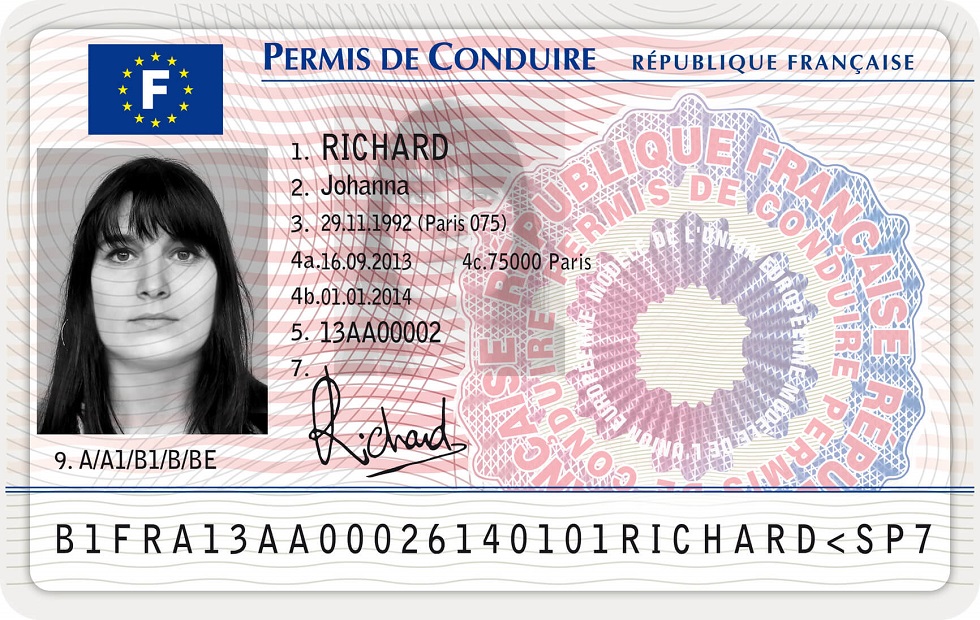
Obtaining a French Driving License: A Comprehensive Guide
Obtaining a driving license in France can be a complicated procedure for both citizens and expatriates. France needs that motorists follow certain legal and useful requirements, ensuring a smooth shift into the French driving system. kimarties.top provides an extensive introduction of the steps associated with obtaining a French driving license, consisting of potential risks and frequently asked questions.
Summary of French Driving License Categories
France problems a number of classifications of driving licenses, which represent various types of automobiles. The main classifications include:
| Category | Description |
|---|---|
| B | Automobiles (up to 3.5 loads, and can carry approximately 8 passengers) |
| A | Motorbikes (numerous subclasses depending upon engine size) |
| C | Trucks (over 3.5 loads) |
| D | Buses (for transporting nine or more travelers) |
| BE | Trailers (over 750 kg) |
Understanding these classifications is important, as the type you need will dictate the requirements and training associated with obtaining your license.
Eligibility Requirements
To obtain a French driving license, candidates need to fulfill particular eligibility criteria:
- Age: Applicants need to be at least 18 years old for a category B license. Age requirements differ for other classifications.
- Residency: Applicants need to be legal citizens of France and registered with the regional authorities.
- Health: A medical exam may be needed, particularly for specific classifications such as C and D.
- Driving School: Enrollment in a certified driving school is generally necessary, although exemptions can apply.
Actions to Obtain a French Driving License
1. Select the Right Driving School
Finding a certified driving school is essential. The school should be approved by the French federal government to make sure that it follows the legal educational curriculum.
- Browse for Local Schools: Use online resources and word of mouth.
- Check Credentials: Ensure the school has permission (a "label de qualité") from the federal government.
- Consult Reviews: Look for testimonials from previous trainees.
2. Register and Pay Fees
When a school is picked, enroll in a driving course. Costs can vary significantly based on the location and school's credibility.
3. Complete Theory Lessons
Before taking the driving test, candidates should finish a series of theory lessons covering roadway rules, signs, and safety guidelines.
- Use Study Aids: Engage with study materials and online resources.
- Mock Tests: Practice with mock tests to determine preparedness.
4. Pass the Theory Exam
The theory exam includes 40 multiple-choice questions, with a passing rating of at least 35 appropriate answers. A failure can indicate retaking classes and rescheduling the test.
5. Practical Lessons
After passing the theory test, students start practical driving lessons. Depending on specific skills, students may require anywhere from 20 to 40 hours of behind-the-wheel direction.
6. Pass the Practical Driving Test
The practical test consists of an evaluation of driving skills carried out by an official inspector.
- Show Skills: Applicants must show skills in different driving scenarios, including parking, turning, and following traffic signals.
- Prepare for Possible Re-tests: If unsuccessful, prospects will normally require to take additional lessons before reapplying for the test.
Obtaining a License From Another Country
For those who hold a driving license from another EU nation, the procedure is less complicated. Those with licenses from non-EU nations might deal with additional obstacles, including obligatory tests.
- EU License Holders: Usually just require to exchange their license for a French one, which typically includes presenting types of ID and evidence of residency.
- Non-EU License Holders: Often must take both theoretical and practical exams, depending upon reciprocal contracts in between France and the issuing country.
Expenses Involved
The overall cost of obtaining a French driving license can differ commonly, including tuition fees at driving schools, assessment fees, and administrative costs.
| Expenditure Type | Approximated Cost (EUR) |
|---|---|
| Driving School Fees | 1,200 - 2,000 |
| Theory Exam Fee | 30 - 50 |
| Practical Test Fee | 100 - 200 |
| Medical Exam Fee | 50 - 150 |
| Overall | 1,400 - 2,400 |
Typical Challenges
While the process might appear straightforward, there are numerous challenges applicants may come across:
- Language Barrier: Non-French speakers might deal with language during both tests, although there are choices for taking exams in other languages.
- Browsing Paperwork: Ensuring all documents are in order can be cumbersome.
- Setting up Delays: High demand can cause long waiting durations for tests.
Regularly Asked Questions (FAQs)
What if I fail the driving test?
If you fail, you can retake the exam. Nevertheless, it's advisable to have refresher lessons before trying once again.
Can I drive in France with a non-EU license?
Generally yes, for as much as a year. After this period, you will require to either transform your license or use for a new one in France.
Do I require to take a medical examination?
Typically, yes, specifically for bigger automobile categories (C and D), though a standard health check is not mandatory for classification B.
Is insurance essential?
Yes, having vehicle insurance coverage is mandatory in France and should be acquired before driving.
For how long does it take to get a French driving license?
It can take anywhere from a few months to over a year, depending upon private preparedness and school availability.
Obtaining a French driving license includes navigating an organized process that needs preparation and diligence. Comprehending the numerous steps, costs, and challenges can equip candidates with the understanding they need to prosper. With extensive preparation, aspiring drivers can with confidence secure their licenses and welcome the freedom of driving in France.